




SAAB Parts - Genuine, OEM, OES, and aftermarket parts
-
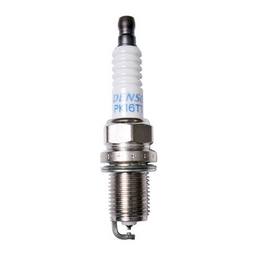
 Part # 4503Quality: OEM - Original EquipmentIn Stock$2.89Add to cartIn StockQuality: OEM - Original EquipmentIn StockIn Stock
 -
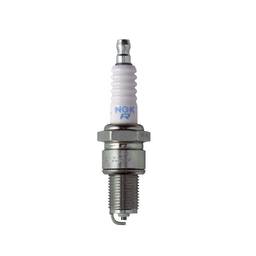
 Quality: OEM - Original EquipmentIn Stock$1.79Add to cartIn StockQuality: OEM - Original EquipmentIn StockIn Stock
 -
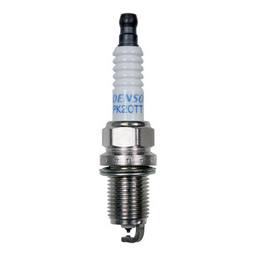 Part # 4504Quality: OEM - Original EquipmentIn Stock$2.89Add to cartIn StockQuality: OEM - Original EquipmentIn StockIn Stock
 -
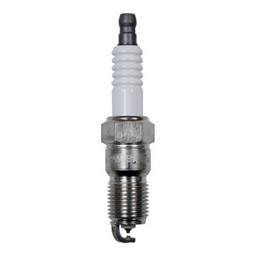 Quality: OEM - Original EquipmentIn Stock$2.89Add to cartIn StockQuality: OEM - Original EquipmentIn StockIn Stock
 -
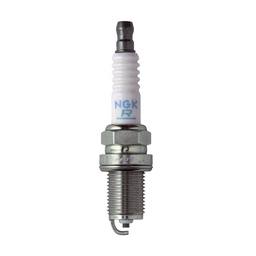 Quality: OEM - Original EquipmentIn Stock$1.89Add to cartIn StockQuality: OEM - Original EquipmentIn StockIn Stock
 -
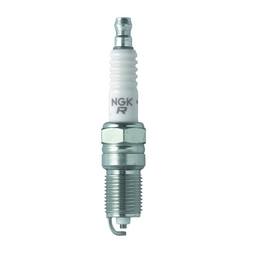 Quality: OEM - Original EquipmentIn Stock$1.89Add to cartIn StockQuality: OEM - Original EquipmentIn StockIn Stock


SAAB PARTS – GENUINE, OEM, and AFTERMARKET PARTS
eEuroparts.com® features a wide selection of quality SAAB Parts. Since 2000, we have specialized in stocking original equipment manufacturer OEM SAAB Parts and a broad selection of aftermarket SAAB Parts USA. Our SAAB parts category offers a range of options, including genuine, OEM, OES, and aftermarket parts, all designed to keep your SAAB running smoothly.
Our genuine SAAB accessory are manufactured to the highest standards and are specifically designed for your vehicle, ensuring optimal performance and longevity. We also offer a range of OEM parts, which are made by the same manufacturers that supply SAAB, providing you with high-quality alternatives at a more affordable price point. SAAB calls their OEM parts as OES. OEM stands for Original Equipment Manufacturer and OES is Original Equipment Supplier. In essence they are the same thing for Saab because they are no longer making and new vehicles.
For those looking for more cost-effective options, our aftermarket SAAB parts offer an excellent alternative. Our aftermarket parts are manufactured by trusted third-party manufacturers, providing you with a range of options that meet or exceed the quality of the original SAAB parts, all while offering a more competitive price point.
At eEuroparts, we understand the importance of maintaining your SAAB, which is why we offer a wide range of SAAB parts to choose from. Whether you’re in need of routine maintenance or more extensive repairs, we have the SAAB parts you need to keep your vehicle running smoothly.
For more information, discounts, deals, and coupons follow us: FaceBook | Twitter | YouTube | Instagram
SAAB PARTS ONLINE
We are a trusted source for high-quality SAAB parts USA, providing a comprehensive range of genuine, OEM, and aftermarket parts to keep your SAAB running smoothly.
Our SAAB parts online category offers an extensive selection of parts for SAAB models, ranging from the classic SAAB 900 to the modern SAAB 9-5. Whether you are in need of SAAB parts for routine maintenance, repair, or restoration, we have got you covered.
We understand the importance of maintaining your SAAB’s performance and reliability, which is why we offer only the highest quality SAAB parts. Our genuine SAAB parts are manufactured to the same high standards as the original equipment parts, ensuring a perfect fit and optimal performance.
SAAB PARTS AND ACCESSORIES
At eEuroparts.com, we understand the importance of keeping your SAAB running at its best. That’s why we offer a wide selection of high-quality SAAB parts and accessories to meet all your needs.
Our SAAB Parts and Accessories category is your one-stop shop for all your SAAB needs. Whether you’re looking for Genuine SAAB parts(OES), OEM SAAB parts, or aftermarket SAAB parts, we’ve got you covered. We carry a vast selection of parts, from brakes and suspension to engine components, body parts and the dreaded 55559955 direct ignition coil!
At eEuroparts, we take pride in offering our customers top-quality SAAB parts and accessories at competitive prices. We source our parts from reputable manufacturers to ensure that our customers receive only the best.
So, whether you’re a SAAB enthusiast or a SAAB owner in need of replacement parts, our SAAB Parts and Accessories category is the place for you. Shop with confidence at eEuroparts.com and keep your SAAB running like new!
THE SHORT HISTORY of SAAB
To say that Saab had a good run would be an understatement. Its story is one of innovation, opportunity, and ultimately betrayal, just like any good European drama. Saab Automobile was founded back in 1945 when Saab AB decided to build a small, economy-oriented vehicle.
Mind you, Saab AB is a Swedish defense contractor that made and still makes things like fighter jets, missiles, naval radar systems, and other weapon systems. Needless to say, the car branch of this company had a good background in engineering, solving problems on the go, and generally building things to mil-spec standards.
All of these attributes and more would end up shaping Saab into the unique brand that it was. The company operated fairly well until 2011 when it went under. Why such a tragic, and some would say sudden, end? That’s where the betrayal part comes in. This company was run by GM since 2000 and many diehard fans will tell you that this moment signifies the end of Saab.
To cut the long story short, GM wasn’t really sure what they wanted to do with Saab as they already had brands that sold well in the same categories of the market. In the end, they borderline mothballed the whole line of vehicles which is often cited as the grand betrayal on GM’s part.
GENUINE SAAB PARTS
Our extensive range includes parts for all SAAB models, from classic to modern, and we are committed to providing the best quality products at competitive prices.
Using Genuine SAAB Parts means you can trust that the components are engineered to meet the same standards as those originally used in your SAAB. This ensures that they fit perfectly and work efficiently, providing you with the ultimate driving experience. With Genuine SAAB Parts, you can also be sure that your vehicle is repaired using parts that meet the strict safety and quality standards set by SAAB.
Whether you need parts for regular maintenance or repair work, we have you covered with our extensive range of Genuine SAAB Parts.
By choosing Genuine SAAB Parts, you can be confident that you are getting the best quality products to keep your SAAB running smoothly and efficiently. Shop with us today to find the Genuine SAAB Parts you need to keep your vehicle in top condition.
SAAB OEM PARTS AND ACCESSORIES
As SAAB experts, we understand the importance of maintaining your vehicle’s performance with high-quality SAAB parts and accessories. That’s why we offer a wide range of SAAB OEM parts and accessories for all SAAB models.
Our SAAB OEM parts and accessories are designed to meet the highest standards of quality, reliability, and performance. Whether you need to replace a damaged part or upgrade your vehicle with new accessories, we have everything you need in this category. From brake pads and rotors to spark plugs, belts, hoses, and more, our SAAB OEM parts are guaranteed to fit and function just like the original parts.
In addition to our SAAB OEM parts, we also offer a range of SAAB OEM accessories to enhance your driving experience. From floor mats and cargo liners to roof racks and bike carriers, our SAAB OEM accessories are designed to add convenience and style to your SAAB.
WHAT OILS AND FLUIDS SHOULD YOU USE IN YOUR SAAB?
If you’re a proud owner of a 9000, 900, or other older Saabs, chances are that you’re maintaining a high-mileage engine. High-mileage vehicles require higher levels of care in terms of lubrication as you’re working with engine components that have suffered a certain level of wear. We strongly recommend that you use Motul lubricants in your Saab.
Motul is one of the leading oil and lubricant manufacturers in the world. Their knowledge and expertise are drawn from over half a century of hands-on experience. Motul’s fully synthetic oils are proven to improve engine lubrication, reduce wear, reduce fuel consumption, and prolong the overall lifespan of your engine.
If you’re looking for the right kind of brake fluid, look no further than Brembo. Being one of the few brands that can rightfully call themselves an authority when it comes to automotive brake systems, Brembo offers just the kind of brake fluids your car needs.
Get Brembo’s DOT 5.1 brake fluid and enjoy the benefits of its high boiling point and high viscosity. This fluid is perfect for older ABS systems as its viscous nature allows it to get into every part of ABS. We offer a whole range of Brembo parts, including pads and rotors.
FINDING THE RIGHT PART FOR YOUR SAAB
Finding the right part for your SAAB can be a daunting task, but we’re here to help. Our online shop makes it easy to search for parts by model, year, and part number. If you’re not sure which part you need, our knowledgeable customer service team can assist you in finding the right fit for your SAAB. We also offer detailed product descriptions and specifications to help you make an informed decision.
OUR TEAM IS STANDING BY TO HELP
In case you still haven’t found what you’re looking for, or you’re not sure which part you need, feel free to get in touch with us. You can reach us via our contact form on the website and our customer support service. Our customer support reps are standing by to answer your questions. And don’t worry, our staff is made up of car enthusiasts just like you.
Once you’ve found what you need, all you have to do is make your order and we will find you the best shipping option available. Your satisfaction is our policy, which is why we’re always looking for the cheapest possible shipping rates and the fastest possible shipping times.
In case you’re not finding what you’re looking for, there’s one more option at your disposal. Give us a call at 800-467-9769 or contact us via the contact page on our website. Our team of knowledgeable reps is standing by to answer any and all questions you might have regarding different SAAB parts.