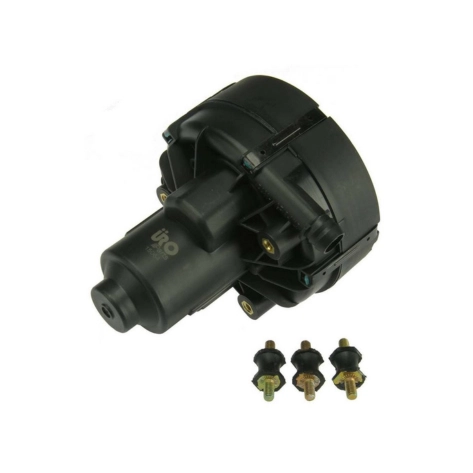
The 2013 Mercedes-Benz G550 is a robust and luxurious SUV known for its powerful performance and off-road capabilities. One of the key components that ensure this vehicle runs smoothly and meets stringent emissions standards is the secondary air pump. This critical part of the emissions system helps reduce harmful exhaust emissions during the initial startup phase, particularly when the engine is cold.
Maintaining the secondary air pump in good working condition is crucial for the overall performance and longevity of your Mercedes-Benz G-Wagon. A malfunctioning secondary air pump can lead to various issues, from engine warning lights to failing emissions tests, which can ultimately result in costly repairs and inconvenience.
In this blog post, we will talk about the common issues associated with the secondary air pump in the 2013 Mercedes-Benz G550. We will explore the causes of these problems, the symptoms that indicate a failing pump and provide detailed repair solutions.
Additionally, we’ll offer maintenance tips to help you keep your secondary air pump in top condition, ensuring your G550 continues to deliver the performance and reliability you’ve come to expect from Mercedes-Benz.
What is Mercedes secondary air pump?
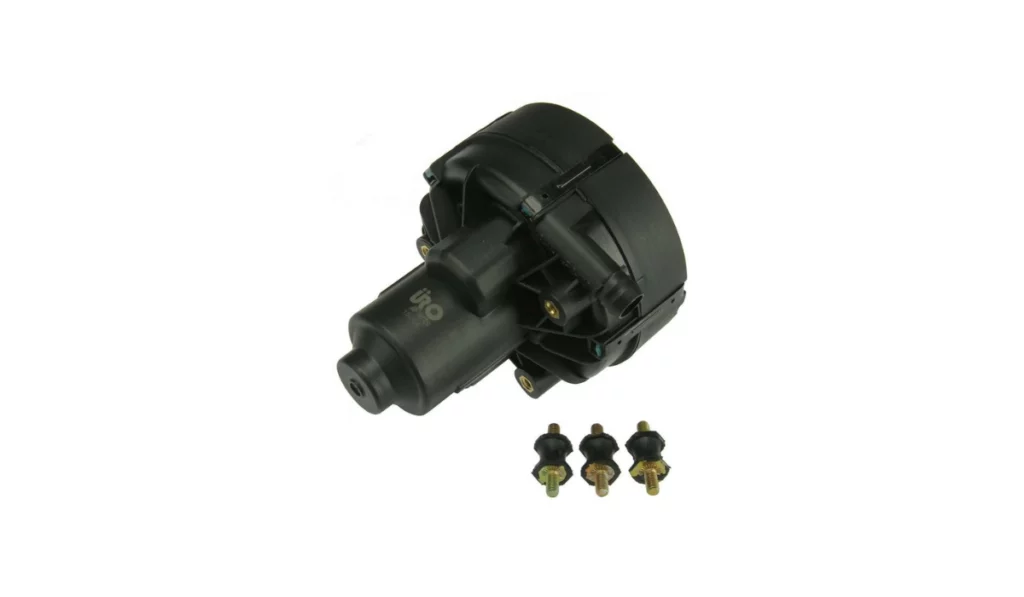
The secondary air pump in the 2013 Mercedes-Benz G550 plays a vital role in the vehicle’s emissions control system. It helps the engine reduce harmful emissions during cold starts, ensuring compliance with environmental regulations. Understanding its function and components can aid in diagnosing and addressing related issues effectively.
G550 Secondary Air Pump — What Does it Do?
The secondary air pump is designed to inject fresh air into the exhaust stream of the engine. This process takes place primarily during the first minute or so after a cold start when the engine is not yet warm, and the catalytic converter is not fully effective. By introducing oxygen into the exhaust gases, the secondary air pump helps complete the combustion of unburned hydrocarbons, thereby reducing the overall emissions of harmful pollutants.
How Secondary Air Pump Reduces Emissions During Cold Starts
During a cold start, the engine runs rich to help the warm-up process. This rich mixture results in higher emissions of hydrocarbons and carbon monoxide. The secondary air pump counteracts this by pumping additional air into the exhaust stream, which promotes the oxidation of these pollutants.
This extra air allows the catalytic converter to reach its operating temperature quickly and start converting harmful gases into less harmful substances, such as carbon dioxide and water vapor.
Secondary Air Pump System Components
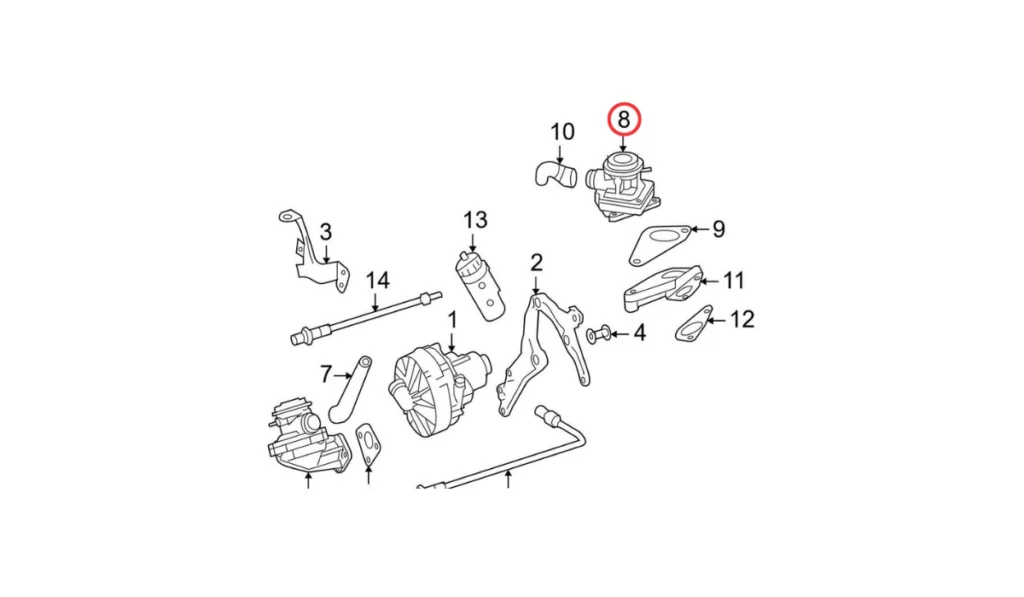
Several components work in tandem to ensure the proper functioning of the secondary air pump system in the G550; let’s talk about them:
Digital Motor Electronics (DME) — The engine control unit that monitors and regulates the air pump operation.
Fuse and Relay — Electrical components that provide power to the air pump and ensure it operates at the correct times.
Vacuum Lines — These lines create the necessary pressure differences to control the airflow within the system.
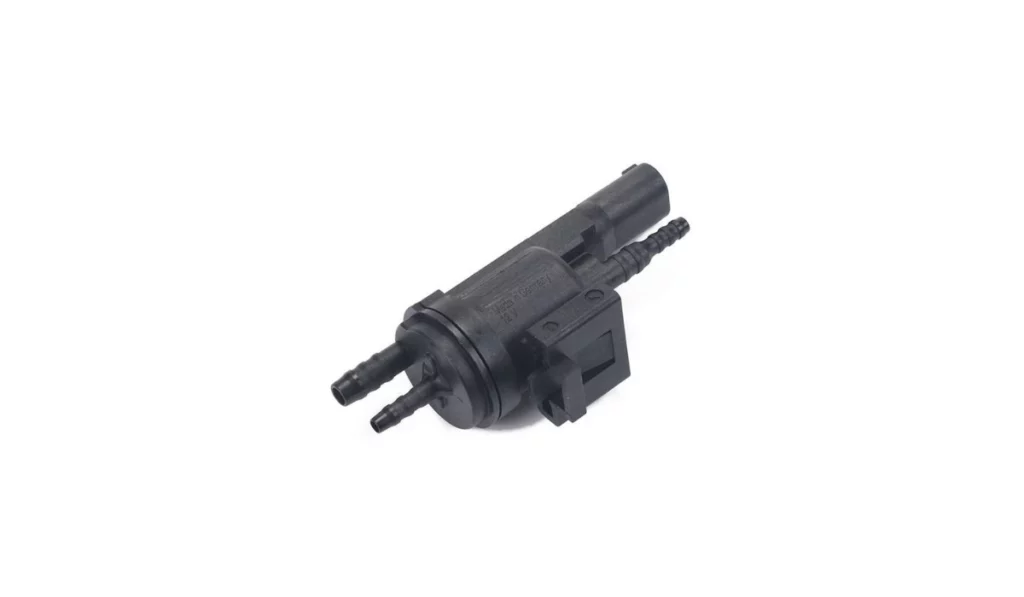
Solenoid Valve — Controls the vacuum flow to the secondary air injection diverter valves, ensuring precise operation.
Air Filter — Prevents contaminants from entering the air pump and ensures clean air is injected into the exhaust.
Diverter Valve — Prevents exhaust gases from flowing back into the air pump, protecting it from damage.
Air Pump — The core component that physically pumps air into the exhaust system.
Understanding these components and their roles can help diagnose issues with the secondary air pump system and ensure timely and effective repairs.
Common Causes of Secondary Air Pump System Issues
Understanding the common causes of secondary air pump system issues in the 2013 Mercedes-Benz G550 can help owners anticipate and address potential problems before they become severe. These issues can stem from various factors, including mechanical wear, vacuum leaks, faulty components, and electrical or software problems.
Aging and Wear
Over time, the secondary air pump can suffer from normal wear and tear. The internal components, such as the motor and bearings, can degrade, leading to reduced efficiency or complete failure.
Faulty Diverter Valves
Diverter valves play a crucial role in ensuring that exhaust gases do not flow back into the air pump. When these fail, exhaust gases can enter the pump, causing damage and reducing its lifespan.
Vacuum Leaks
Vacuum leaks can significantly impact the secondary air pump’s function. These leaks can occur in the vacuum lines, solenoid valves, or other connections, leading to insufficient vacuum pressure. This can prevent the system from operating correctly, causing an emissions control inefficiency and activating the check engine warning light.
Electrical Problems
The secondary air pump relies on a series of electrical components, including wiring, fuses, and relays, to function correctly. Issues such as corroded connectors, blown fuses, or faulty relays can disrupt the pump’s power supply, leading to operational failures. Ensuring all electrical connections are clean and secure can prevent these problems.
DME Software Issues
The Digital Motor Electronics (DME) controls the operation of the secondary air pump. Software glitches or outdated software versions can lead to incorrect operation or complete shutdown of the pump. DME updates and software checks are necessary to ensure the DME system functions optimally, preventing unnecessary air pump issues.
Unmatched Quality and Prices for Mercedes Benz Parts
Discover eEuroparts.com, your go-to source for genuine Mercedes Benz and OEM parts. Our mission is to provide high-quality auto parts at prices that won’t break the bank. Our comprehensive range includes everything from vital brake components to routine maintenance items, all meeting strict OEM standards to ensure your Mercedes Benz runs smoothly.
Choosing eEuroparts.com means enjoying excellent value without sacrificing quality. With our extensive inventory, intuitive website, and dedicated customer support, you’ll find exactly what you need for any maintenance or upgrade project.
Symptoms of a Faulty Secondary Air Pump
Identifying the symptoms of a faulty secondary air pump in your 2013 Mercedes-Benz G550 is crucial for timely repairs and maintaining vehicle performance. Recognizing these warning signs can help prevent further damage and ensure your vehicle remains compliant with emissions standards.
Check Engine Light
The check engine light will illuminate to warn you if the Digital Motor Electronics (DME) detects an issue with the secondary air pump, such as insufficient airflow or a malfunctioning component. When this occurs, the DME logs a Diagnostic Trouble Code (DTC).
Common DTCs for the G550 include 0810 and 0814, corresponding to P0410 (Secondary Air Injection System) in generic OBD-II codes. Promptly diagnosing these codes is essential to prevent potential engine damage.


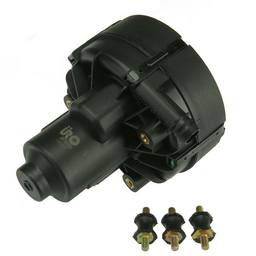




Noisy Pump Operation
A secondary air pump that operates noisily or emits unusual sounds can be a sign of internal wear or damage. Grinding, whining, or rattling noises often indicate that the pump’s internal components, such as bearings or the motor, are failing. Addressing these noises early can prevent complete pump failure and more extensive repairs.
Failed Emissions Test
A malfunctioning secondary air pump can cause your G550 to fail an emissions test. Since the pump’s primary function is to reduce harmful emissions during cold starts, its failure can lead to elevated levels of hydrocarbons and carbon monoxide in the exhaust. Ensuring the pump is functioning correctly is essential for passing emissions tests and adhering to environmental regulations.
Diagnosing Secondary Air Pump Issues
Accurately diagnosing secondary air pump issues in your 2013 Mercedes-Benz G550 involves a systematic approach to identifying and addressing the root cause of the problem. Follow these detailed diagnostic steps to ensure a comprehensive inspection.
Reading Fault Codes Using OBD II Scanner
Start by connecting an OBD-II scanner to the vehicle’s diagnostic port, located under the dashboard on the driver’s side. Turn the ignition on without starting the engine. Use the scanner to read the fault codes stored in the DME. Look for codes 0810 and 0814, which correspond to P0410 (Secondary Air Injection System). Confirming the presence of these codes helps confirm the check engine light is due to a fault in the secondary air pump.
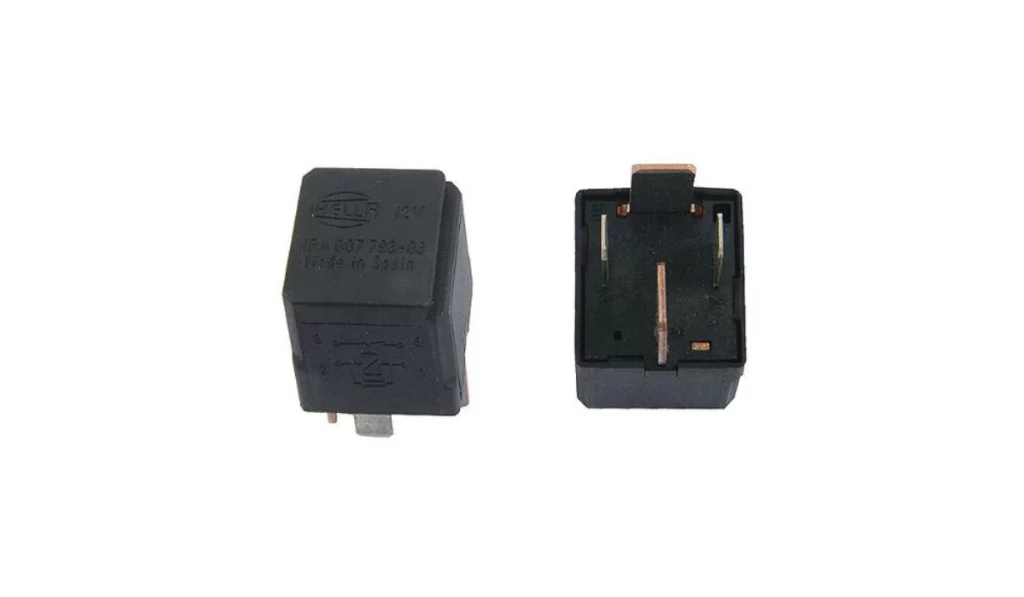
Fuse and Relay Inspection
Fixing electrical issues in the secondary air pump system involves inspecting and replacing faulty components. Locate the fuse and relay for the pump in the fuse box, referring to the owner’s manual.
To check the relay, follow this basic steps:
- Remove the relay and identify terminals T85, T86, T30, and T87.
- Apply 12V to T85 and ground to T86; listen for a click.
- Use a multimeter to check for continuity between T30 and T87 when activated.
- Replace the relay if it fails these tests.
- Inspect wiring for corrosion or damage and repair as needed.
Solenoid Valve Function Test
Locate the solenoid valve connected to the diverter valves. Using a multimeter, measure the solenoid’s resistance by placing the probes on the solenoid’s terminals. Refer to the vehicle’s repair manual for the correct resistance values. An abnormal reading indicates a faulty solenoid that requires replacement. Additionally, test the solenoid’s activation by applying power and ground to the terminals; listen for a clicking sound that signifies proper operation.
Checking Vacuum System
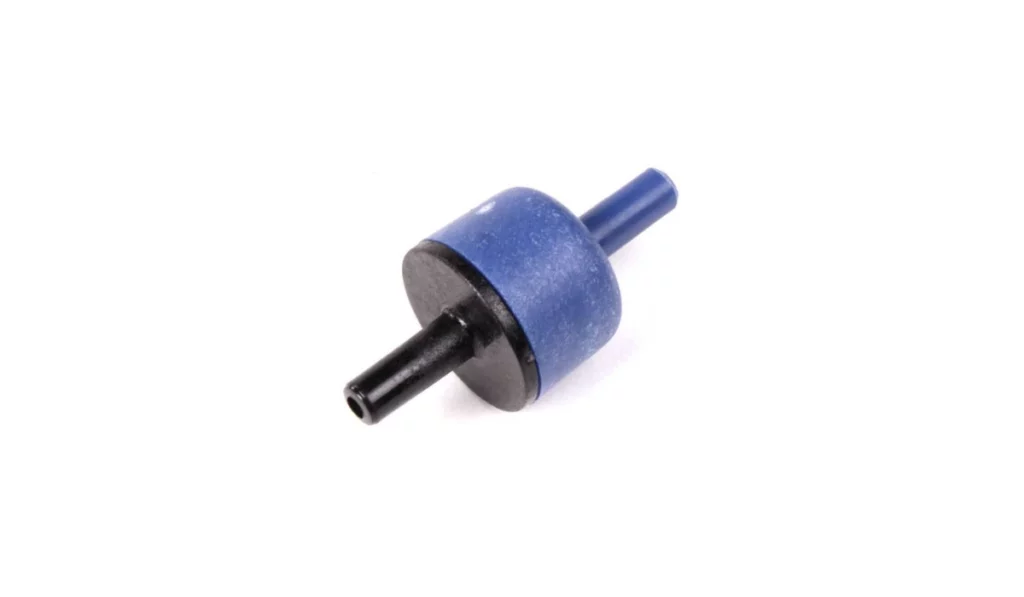
Inspect the vacuum lines connected to the diverter valves and the solenoid valves for any signs of damage, cracks, or disconnections. Pay special attention to the one-way valve, ensuring it allows vacuum flow in one direction only. Use a hand-held vacuum pump to test the integrity of the vacuum system. Any significant drop in vacuum pressure indicates a leak that must be addressed. Replace damaged vacuum lines and faulty one-way valves as needed.
Secondary Air Pump Function Test
Locate the secondary air pump and disconnect the electrical connector. Use a multimeter to measure the resistance across the pump’s terminals, comparing the reading to the specifications in the vehicle’s repair manual.
If the resistance is outside the acceptable range, the pump may be faulty. To test the pump’s activation, apply direct power and ground to the pump’s terminals and listen for its operation. A non-functioning pump indicates the need for replacement.
Diverter Valves Function Test
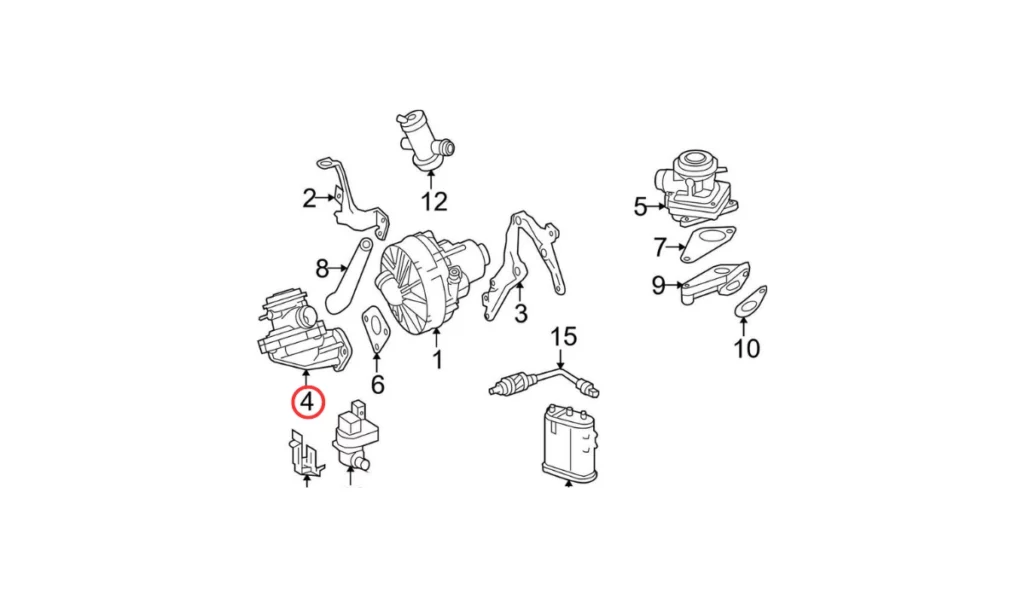
To ensure the diverter valves are working properly and not stuck open or closed, follow these steps. If the valve fails either test, it needs replacement:
Disconnect Pipes — Remove the pipes from the air pump to the diverter valves.
Start the Engine — With the engine running and the diverter valve not activated (no vacuum), check for exhaust gases flowing back. There should be none.
Activate Diverter Valve — Supply vacuum to the diverter valve by supplying voltage to the solenoid valve. The exhaust gases should now flow out of the port, indicating the valve is open.
By following these detailed diagnostic steps, you can systematically identify and resolve issues with the secondary air pump system in your 2013 Mercedes-Benz G550, ensuring optimal performance and emissions compliance.
Repair Solutions
Repairing the secondary air pump system in your 2013 Mercedes-Benz G550 requires a careful approach and the right tools. By following these detailed repair solutions, you can ensure that your vehicle’s emissions system operates efficiently and effectively, keeping your car running smoothly and compliant with emissions standards.


Safety Steps
Safety is paramount when working on your vehicle. Following these safety steps will help prevent accidents and ensure a safe working environment.
- Disconnect the battery to prevent electrical shocks.
- Wear safety gloves and eye protection to avoid injuries.
- Be wary of hot engine components. If possible, only work when the engine is cold to touch.
- Ensure the vehicle is on a flat surface.
- Follow the vehicle manufacturer’s safety guidelines.
- Work in a well-ventilated area to avoid inhaling harmful fumes.
Tools You’ll Need
To successfully repair the secondary air pump system, you will need a variety of tools and parts. Having these tools ready will ensure a smoother and more efficient repair process.
- Gloves
- Safety goggles
- Ratchet and socket set
- Torx socket set
- Screwdriver set
- Pliers set
- Hand-held vacuum pump
- Multimeter
- Torque wrench
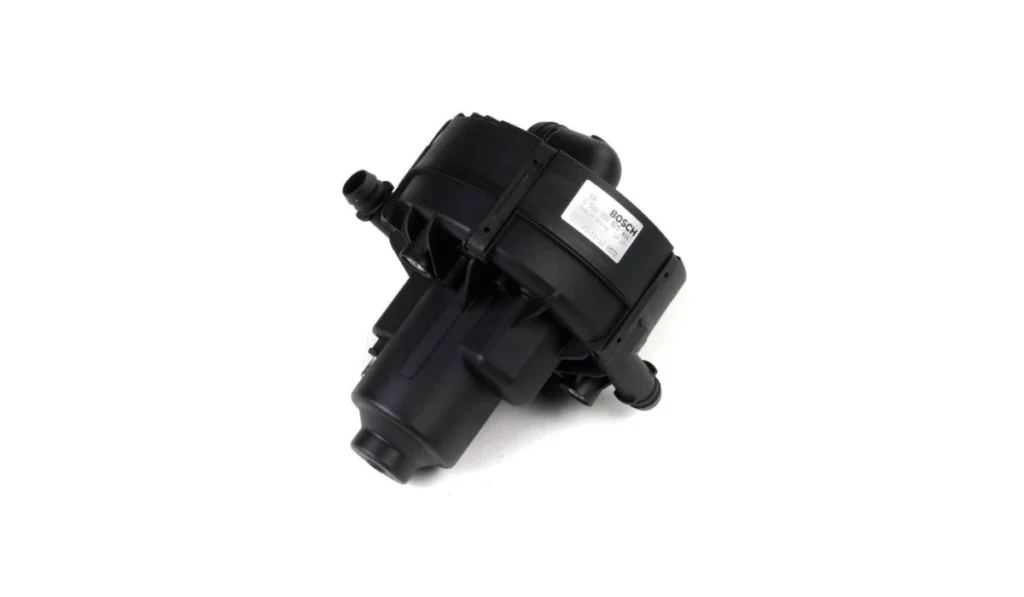
Replacing the Secondary Air Pump
Remove Air Filter Housing — Remove the front engine cover. Detach the left and right engine air intake ducts upstream of the air filter. Remove the hose for the air pump at the air filter housing. Pry off the clamp and lift the air filter housing from its mounts.
Remove Air Pump — Detach the air intake hose from the secondary air pump. Remove the air hoses from the diverter valves and the air pump. Remove bolts securing the secondary air pump bracket and the bracket itself. Detach the air pump from the bracket.
Install New Air Pump — Position the new air pump and secure it with bolts. The bracket bolts should be tightened to 10 ft. lb. (14 Nm), and the bolts connecting the air pump to the bracket should be tightened to 6 ft. lb. (8 Nm). Reattach the compressed air and air hoses, as well as the air intake hose.
Check the rubber mount bushings of the electric air pump in the bracket for damage and replace them if necessary. Also, inspect the air intake hose, air hoses, and compressed air hose for damage and replace if needed.
Reinstall Air Filter Housing — Place the air filter housing back onto its mounts. Reattach the hose for the air pump to the air filter housing. Ensure that the arrows on the hose and air filter housing point toward each other. Secure the engine air intake ducts and install the front engine cover. Apply lubricant to the mounts and seals to ensure proper seating.
Final Steps — Reconnect the battery and start the engine to ensure the new air pump operates correctly. Use an OBD II scanner to check for any fault codes.
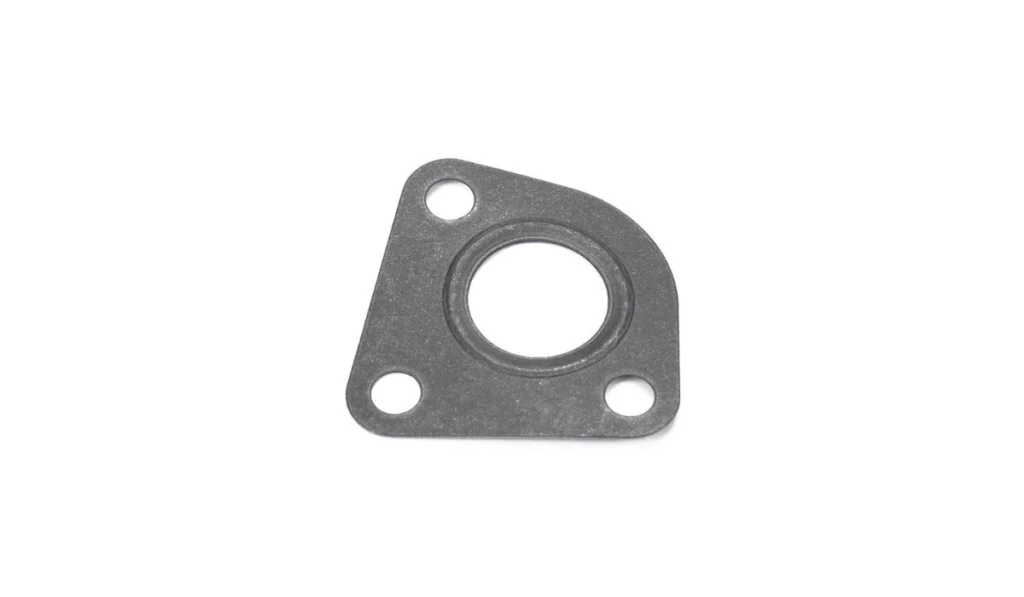
Replacing Diverter Valves on Both Banks
With the air filter housing removed, follow these steps to replace the diverter valves on both banks of your 2013 Mercedes-Benz G550 M273 engine:
Detach Vacuum Line and Air Hose — Detach the vacuum line and air hose from the diverter valve. Do not use pointed or sharp-edged tools to avoid damaging these lines. Check the vacuum line and air hose for damage and replace them if necessary.
Remove Diverter Valve — Remove the bolts securing the diverter valves to the cylinder head and pull the assembly out. It might be a bit stiff, but penetrating fluid and elbow grease will do the trick.
Install New Air Shutoff Valve — Install the new air shutoff valve with a new gasket and secure it with bolts, tightening them to 10 ft. lb. (14 Nm). Ensure the vacuum line and air hose are properly connected.
Final Steps — Reinstall the air filter housing and front engine cover, ensuring it is correctly seated and secure.
Addressing Electrical Issues
Check Fuse and Relay Locations — Refer to the owner’s manual to locate the fuse and relay for the secondary air pump system.
Inspect Fuses and Relays — Remove the fuses and relays and check for any signs of damage or wear.
Replace Faulty Components — If the fuse or relay is found to be defective, it is advisable to replace the secondary air pump as well. A blown fuse often indicates excessive current consumption by the secondary air pump’s motor, which can cause the fuse to blow again if the underlying issue isn’t addressed.
Check Wiring — Inspect the wiring for any signs of corrosion or damage. Use a multimeter to test for continuity.
Repair or Replace Wiring — Repair any damaged wires with electrical tape or replace them if necessary.
Test the System — Reconnect everything and test the system to ensure it operates correctly.
Vacuum Line Repairs
Repairing or replacing vacuum lines ensures proper system function:

Locate Damaged Vacuum Lines — Inspect all vacuum lines connected to the secondary air pump system for cracks or leaks.
Remove Damaged Lines — Carefully disconnect and remove any damaged vacuum lines.
Measure and Cut New Lines — Measure the required length and cut new vacuum lines to size.
Install New Lines — Connect new vacuum lines to the appropriate fittings.
Check for Leaks — Use a vacuum gauge to ensure there are no leaks in the new lines.
Test the System — Start the engine and verify that the vacuum system operates correctly without any leaks.
By following these repair solutions, you can effectively address issues with the secondary air pump system in your 2013 Mercedes-Benz G550, ensuring optimal performance and emissions compliance.
Preventative Maintenance Tips
Preventative maintenance is essential to keeping your 2013 Mercedes-Benz G550 running smoothly and avoiding costly repairs. By following these maintenance tips, you can ensure the longevity and optimal performance of your vehicle’s secondary air pump system.
Regular Inspections
Regular inspections are crucial for early detection of potential issues. By routinely checking the secondary air pump system and its components, you can identify and address problems before they escalate, ensuring the system remains in good working condition.

Air Filter Replacement
Replacing the air filter every 20,000 miles or two years (whichever comes first) is important for maintaining the efficiency of the secondary air pump. A clean air filter ensures that the pump receives clean air, preventing contaminants from entering the system and causing damage. It will also help your engine breathe more efficiently.
eEuroparts.com — Your Best Choice for OEM and Genuine Mercedes-Benz parts
Ensuring your 2013 Mercedes-Benz G550 runs at its best requires not only regular maintenance but also high-quality replacement parts. When it comes to finding reliable components for your vehicle, eEuroparts.com is your go-to source.
Offering a wide selection of OEM and genuine parts, eEuroparts.com guarantees that you’ll find exactly what you need to keep your G550 in top condition. Whether you’re replacing the secondary air pump, air filters, or other essential components, you can trust that the parts from eEuroparts.com are of the highest quality, ensuring durability and optimal performance.
Don’t let subpar parts compromise your vehicle’s reliability. Visit eEuroparts.com today, explore our extensive inventory, and enjoy the peace of mind that comes with using the best parts available. Your G550 deserves nothing less.