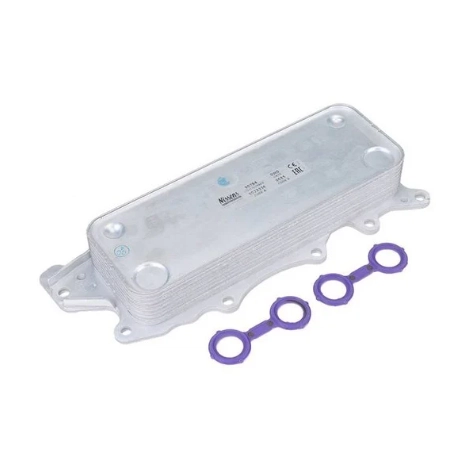
If you own a 2018 Mercedes-Benz Sprinter 2500, you know it’s a reliable workhorse, whether you’re using it for deliveries, road trips, or as a mobile office. However, like any vehicle, it’s not without its quirks, and one issue that has been popping up more frequently among Sprinter owners is oil cooler leaks. Now, I know what you’re thinking — an oil cooler? It sounds complicated, and honestly, it kind of is. But don’t worry; this guide is here to break it all down for you.
The oil cooler plays a crucial role in keeping your engine running smoothly by maintaining the right temperature for the engine oil. When it leaks, though, it can lead to a host of problems, from overheating to potentially costly engine damage.
But before you start panicking, let’s talk about what an oil cooler leak really means for your Sprinter, how to spot it, what causes it, and most importantly, how to fix it. By the end, you’ll be armed with the knowledge to tackle this issue head-on, whether you’re a DIY mechanic or someone who prefers to leave the heavy lifting to the pros.
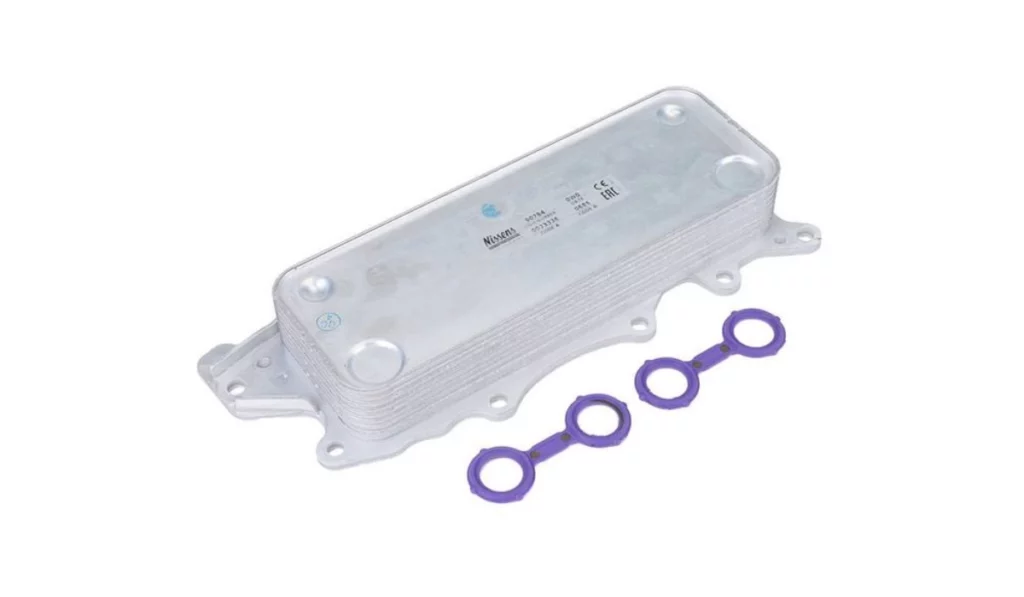
Mercedes-Benz Sprinter 2500’s Oil Cooler
The oil cooler might not be the first thing that comes to mind when you think about vehicle maintenance, but it plays a crucial role in keeping your Sprinter’s engine running smoothly. Understanding what the oil cooler does and why it’s so important can help you better maintain your vehicle and avoid serious issues down the road.
What is an Oil Cooler?
The oil cooler in your Mercedes-Benz Sprinter 2500 acts like a mini radiator specifically for your engine oil. As your engine runs, the oil flows through the cooler, where the coolant dissipates excess heat before circulating back into the engine.
This process ensures that the oil stays at an optimal temperature, which is vital for lubricating engine components and preventing them from overheating or wearing out prematurely. In essence, the oil cooler helps your engine maintain its performance by keeping the oil cool and effective.
Oil Cooler Leaks — What’s Happening
One of the main culprits behind oil leaks in the Mercedes-Benz Sprinter 2500 is the oil cooler seal. Over time, as the vehicle ages and racks up miles, the sealing capacity of this critical component begins to diminish.
The oil cooler seal is designed to keep engine oil contained within the system, preventing it from leaking out and ensuring that the oil cooler functions effectively. However, as the seal is subjected to constant heat and pressure, it gradually loses its elasticity and effectiveness.
This degradation process can lead to the seal hardening, cracking, or simply failing to maintain a proper seal, allowing oil to escape from the engine. When this happens, oil can leak out of the engine, potentially causing a range of issues, from reduced oil levels to more serious engine damage if left unchecked.
Why It Matters
A leaking oil cooler might seem like a minor issue, but it can have serious consequences for your Sprinter’s engine. Depending on how bad the oil cooler leak is, the engine oil level can become too low, leading to reduced lubrication and increased friction within the engine.
This can cause parts to wear out faster, reduce fuel efficiency, and even lead to engine overheating. If left unchecked, an oil cooler leak could result in significant engine damage and costly repairs. That’s why it’s essential to understand the role of the oil cooler and address any leaks as soon as they arise.
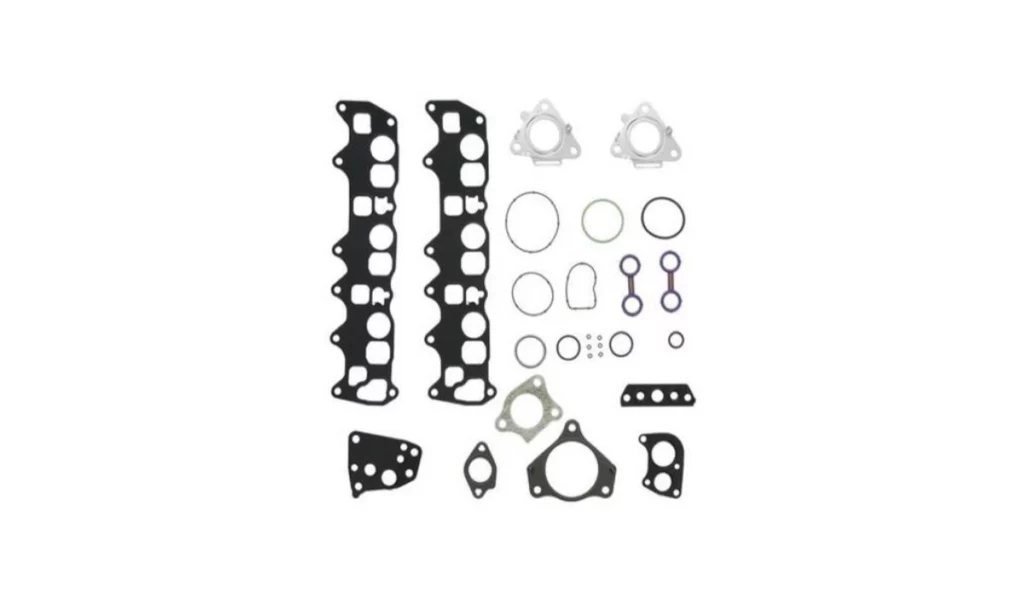
Affected Models — Oil Cooler Leaks on Sprinter 2500
While oil cooler leaks are a known issue for the 2018 Mercedes-Benz Sprinter 2500, they are not limited to just this model year. The problem is actually quite widespread, affecting multiple model years, particularly older vehicles.
The most reported cases of oil cooler leaks have been in Sprinter 2500 models from 2001 to 2014, even back when the Sprinter was sold under the Freightliner and Dodge brands. These leaks are largely due to the natural wear and tear that occurs as vehicles age, especially those with high mileage. Many of these issues start to surface after the vehicle has surpassed 150,000 miles, as components like the oil cooler gasket begin to degrade.
The problem is especially prevalent in Sprinter 2500s equipped with the OM642 engine, a 3.0L V6 BlueTEC Mercedes-Benz diesel engine. The design of this engine, along with the high operating pressures and temperatures it endures, making it more susceptible to oil cooler leaks over time. If you own a Sprinter from these years, it’s important to be vigilant about monitoring for signs of an oil cooler leak.
Your Destination for Genuine Mercedes-Benz Parts
Visit eEuroparts.com for a wide selection of genuine Mercedes-Benz and OEM parts at unbeatable prices. Our mission is to provide Mercedes-Benz owners with high-quality auto parts at affordable rates. From critical brake components to everyday maintenance items, our curated range meets OEM standards to ensure your Mercedes-Benz performs optimally.
Shop at eEuroparts.com and enjoy substantial savings without compromising on quality. Our vast inventory, intuitive site, and outstanding customer service make finding the right parts easy and hassle-free.
Symptoms of an Oil Cooler Leak
Recognizing the symptoms of an oil cooler leak early on can make all the difference in preventing serious engine damage. An oil cooler leak can manifest in several ways, each of which can be a warning sign that your Sprinter’s engine is at risk. Below, we’ll go through the common symptoms to watch out for and discuss why it’s so crucial to address these issues as soon as they arise.
Common Symptoms
If your Mercedes-Benz Sprinter 2500 is suffering from an oil cooler leak, you might notice some of the following symptoms:
Visible oil leakage underneath the vehicle — This is often the first sign that something is wrong. If you spot oil pooling under your Sprinter, it’s a good idea to investigate further. Ignoring this symptom can lead to a significant loss of oil, which could cause your engine to run dry and seize up, resulting in a costly repair.

Overheating engine — When the oil cooler isn’t functioning properly, your engine may overheat, leading to reduced performance and potential damage. Overheating can also lead to warped engine components, which might require extensive repairs or even an engine rebuild.
Unusual engine noises — An oil leak can cause inadequate lubrication, leading to odd noises like ticking or knocking from the engine. These noises indicate that metal components in the engine are making contact without sufficient oil to protect them, which can cause accelerated wear and, eventually, serious engine damage if not addressed promptly.
Oil mixed with coolant — This is a serious issue that can indicate a failed oil cooler, where the oil and coolant have started to mix, contaminating both systems. When these fluids mix, the engine loses its ability to cool effectively, leading to overheating and internal damage. This contamination can also lead to costly repairs since both the cooling system and the lubricating system will need to be thoroughly cleaned and possibly repaired.
Importance of Early Detection
Catching an oil cooler leak early is essential to avoid costly repairs and prolonged downtime. If the leak goes undetected, the engine could overheat or run with insufficient lubrication, causing parts to wear out faster and potentially leading to catastrophic engine failure. The sooner you identify and address the leak, the less likely you are to face significant damage, keeping your Sprinter running smoothly.
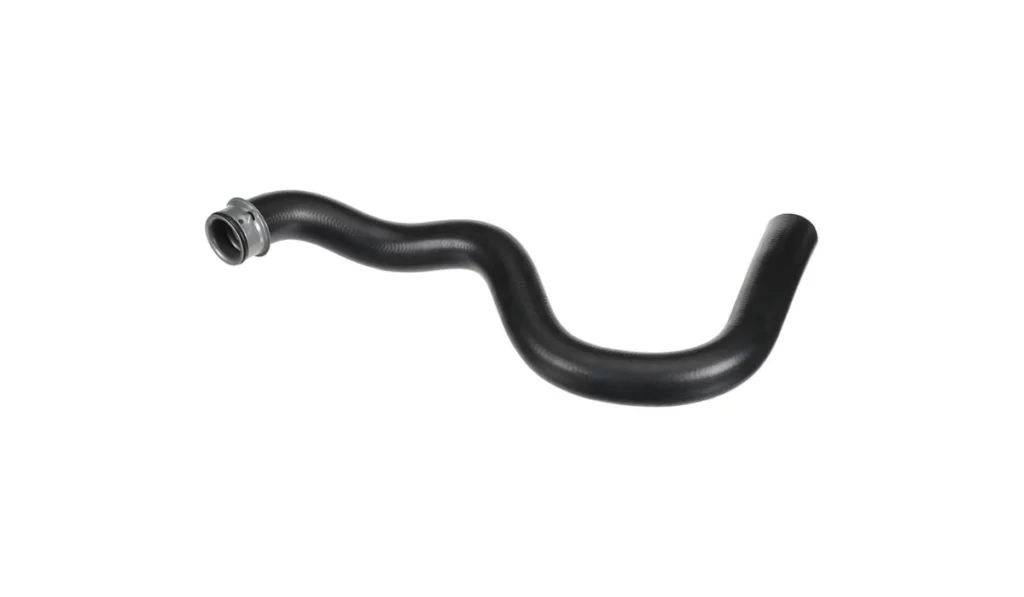
Can You Drive with a Faulty Oil Cooler?
No, you should not drive with a faulty oil cooler. It is risky to continue driving your Sprinter with an oil cooler leak, as doing so can lead to severe engine damage.
If you find yourself in a situation where you absolutely must drive the vehicle, it’s crucial to ensure that both the oil and coolant levels are topped up and in good condition before setting off. Even then, it’s important to understand that this is only a temporary measure and not a solution to the problem.
The best course of action is to address the oil cooler leak as soon as possible to avoid taking unnecessary risks with your engine. Continuing to drive with a compromised oil cooler can result in engine overheating, reduced lubrication, and potentially catastrophic engine failure.
It’s always better to sort out the issue first and avoid the possibility of more extensive and costly repairs down the line.






Causes of Oil Cooler Leaks in the Sprinter 2500
Understanding the causes of oil cooler leaks in your Mercedes-Benz Sprinter 2500 can help you take preventative measures and avoid costly repairs. While some issues might arise due to manufacturing defects, most leaks are the result of gradual wear and tear or environmental factors that stress the oil cooler and its gaskets over time. Let’s explore the main contributors to this common issue.
Wear and Tear
Over time, the oil cooler in your Sprinter 2500 is subjected to significant wear and tear, which can lead to leaks. As your vehicle racks up miles, the oil cooler and its associated components, like seals and gaskets, begin to degrade.
Constant exposure to high temperatures, pressure fluctuations, and the natural aging process can cause these materials to harden, crack, or lose their effectiveness. As these parts deteriorate, they become less capable of sealing the oil within the cooler, eventually leading to leaks.
Environmental Factors
Environmental factors also play a critical role in the development of oil cooler leaks. Extreme temperature variations, for example, can cause the metal in the oil cooler to expand and contract repeatedly, which may weaken the structure over time and lead to cracks.
Additionally, vehicles that undergo frequent heat cycles, such as those used in stop-and-go traffic or for short trips, will experience more stress on the oil cooler components, increasing the likelihood of leaks.
Poor maintenance, such as infrequent oil changes or using the wrong type of oil, can exacerbate these issues, as old or improper oil may not provide the necessary protection on oil cooler and gaskets against heat and pressure. All of these factors combined can accelerate the deterioration of the oil cooler, making leaks more likely.
Understanding these causes can help you take proactive steps in maintaining your Sprinter 2500, potentially extending the life of your oil cooler and avoiding expensive repairs.
Repair Solutions for Oil Cooler Leaks
Before rolling up your sleeves for this repair, it’s important to note that replacing the oil cooler on your Mercedes-Benz Sprinter 2500 is a complex task that requires above-average mechanical know-how. If you’re not confident in your skills, it may be best to leave this one to the professionals.
Additionally, when working on older vehicles, be particularly careful with plastic components, as they can become brittle and prone to cracking due to age. With that said, if you’re up for the challenge, here’s a step-by-step guide to help you through the process. DIY at your own risk!





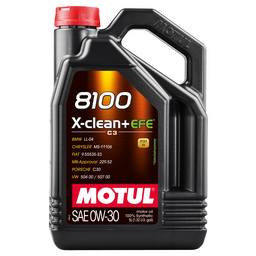

Is It Hard to Replace the Oil Cooler Gasket?
Replacing the oil cooler gasket is a moderately challenging task that requires a good understanding of engine components. The process involves draining the engine oil, removing various engine components to access the oil cooler, and carefully replacing the gasket.
It’s important to ensure a proper seal when installing the new gasket to prevent future leaks. While the task is not overly complex for someone with mechanical experience, it can be time-consuming and requires precision. If you’re new to engine repairs or lack the necessary tools, seeking professional help might be the best route to avoid complications.
Tools Needed
- Gloves
- Safety goggles
- Ratchet and socket set
- Torx bit socket set
- Combination spanner set
- Stubby spanner set
- Screwdriver set
- Pliers set
- Torque wrench
- Oil drain pan
- Coolant drain pan
- Shop towels or rags
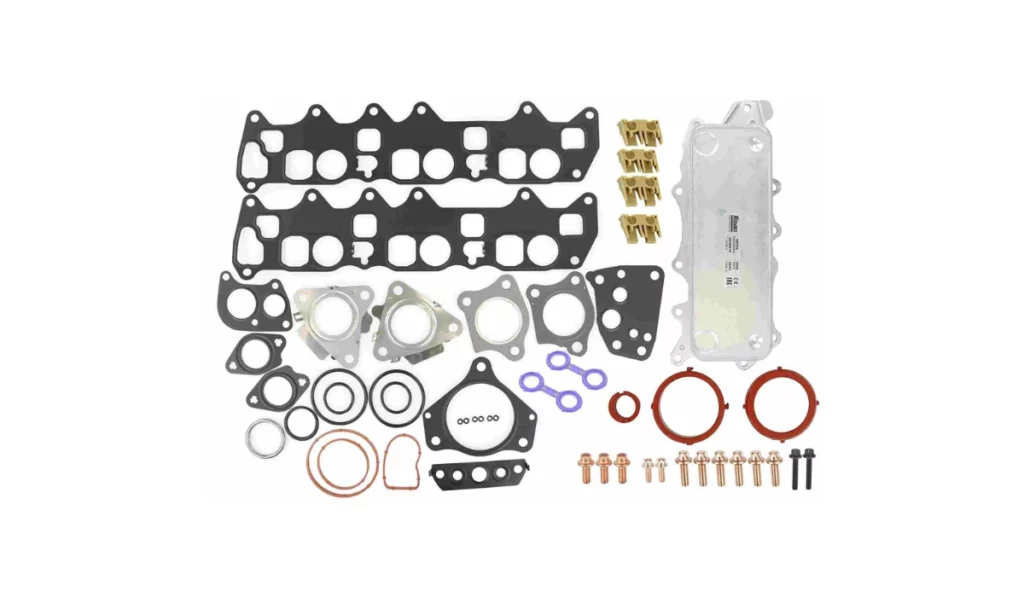
Safety First
- Wear Protective Gear — Always wear gloves and safety goggles to protect yourself from oil, coolant, and hot or sharp components.
- Work in a Well-Ventilated Area — Ensure your workspace is well-ventilated, especially when dealing with chemicals like diesel, engine oil, and coolant.
- Hot Engine Components — We recommend doing this repair after the engine has cooled down.
- Disconnect the Battery — Disconnect the negative terminal of the battery before starting the repair to prevent any electrical shorts or accidental starts.
- Handle Fluids with Care — Dispose of old oil and coolant properly according to your local regulations to protect the environment.
Key Steps to Replace or Repair the Oil Cooler
Drain Coolant — Begin by draining the coolant from the system to prevent spills during disassembly. Capture the coolant in a clean container if you plan to reuse it, but consider a complete flush to remove any contaminants.
Drain Engine Oil — Next, drain the engine oil to avoid contamination during the repair. Like the coolant, it’s wise to perform a complete oil flush to ensure no old oil remains in the system, which could carry contaminants.
Remove Intake Pipe — Carefully remove the intake pipe to gain access to the engine components below. Label any hoses or electrical connectors you disconnect to make reassembly easier.
Remove Air Filter Box — Detach the air filter box to provide more workspace.
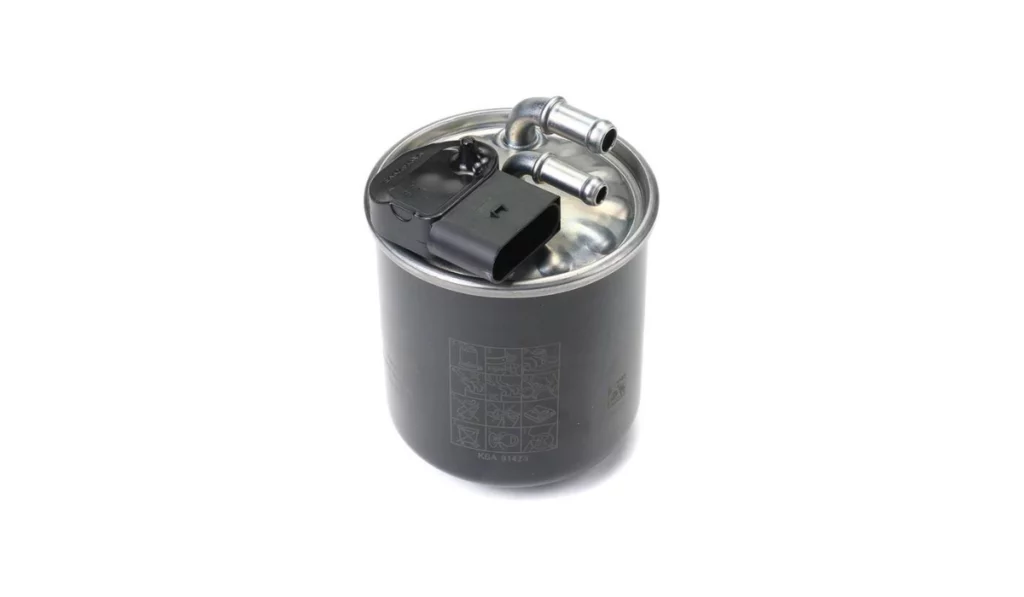
Remove Fuel Filter — Take out the fuel filter to clear the way to access the turbo and intake manifold.
Remove Turbocharger — Remove the turbocharger, taking care to disconnect all electrical connections attached to it. Plug any open lines or ports with clean rags to prevent debris from entering the system.
Remove Valve Cover Trim — Detach the valve cover trim to expose the upper engine components.
Remove Coolant Lines — Disconnect the upper radiator hose and any other coolant lines obstructing the intake manifold.
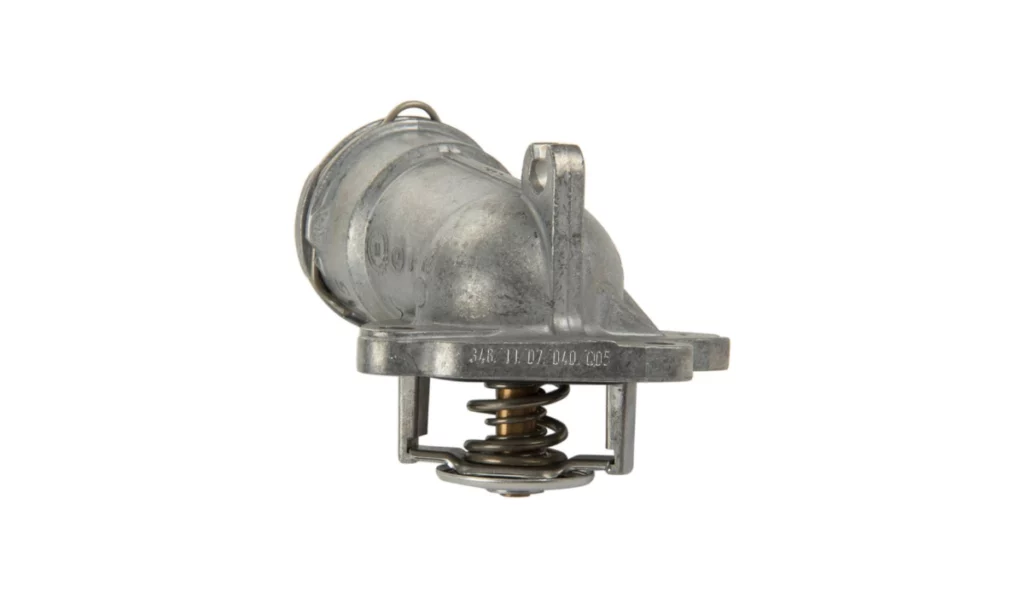
Remove Thermostat — Take off the thermostat to allow for the intake manifold removal.
Disconnect Center Fuel Return Line — Carefully disconnect the center fuel return line to prevent damage.
Loosen Center High-Pressure Fuel Supply Pipe — Loosen the high-pressure fuel supply pipe for easier access.
Freeing up the intake manifold — Carefully disconnect all necessary components in the engine valley to free the intake manifold. Keep track of bolts and fasteners by organizing them in labeled containers.
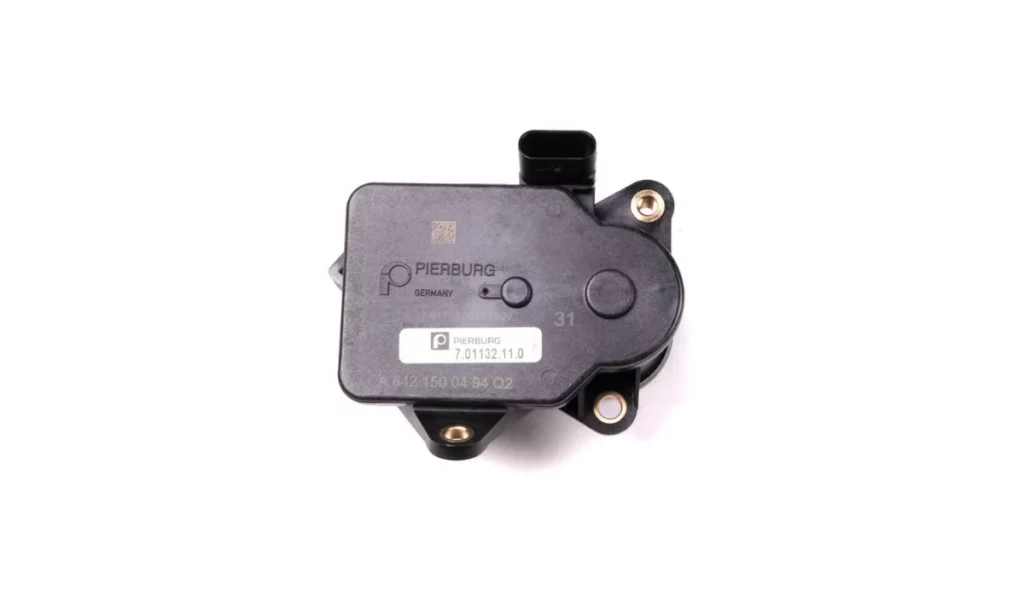
Disconnect Swirl Flap Motor — Disconnect the swirl flap motor to allow for manifold removal.
Remove Intake Manifold — Remove the intake manifold, which should now be free to come off, exposing the oil cooler. Inspect the intake manifold for any carbon buildup and clean it if necessary before reinstalling.
Remove Oil Cooler — Carefully remove the oil cooler. Pay attention to the orientation of the seals and gaskets during removal to ensure correct installation of the new ones.
Clean mounting surface — Clean the mounting surface thoroughly to ensure a proper seal when installing the new oil cooler.
Install New Oil Cooler — Install the new oil cooler, ensuring that both seals are properly aligned and seated.
Reassemble components — Reassemble all components in the reverse order of disassembly, ensuring that all connections are secure and all gaskets are replaced and properly seated.
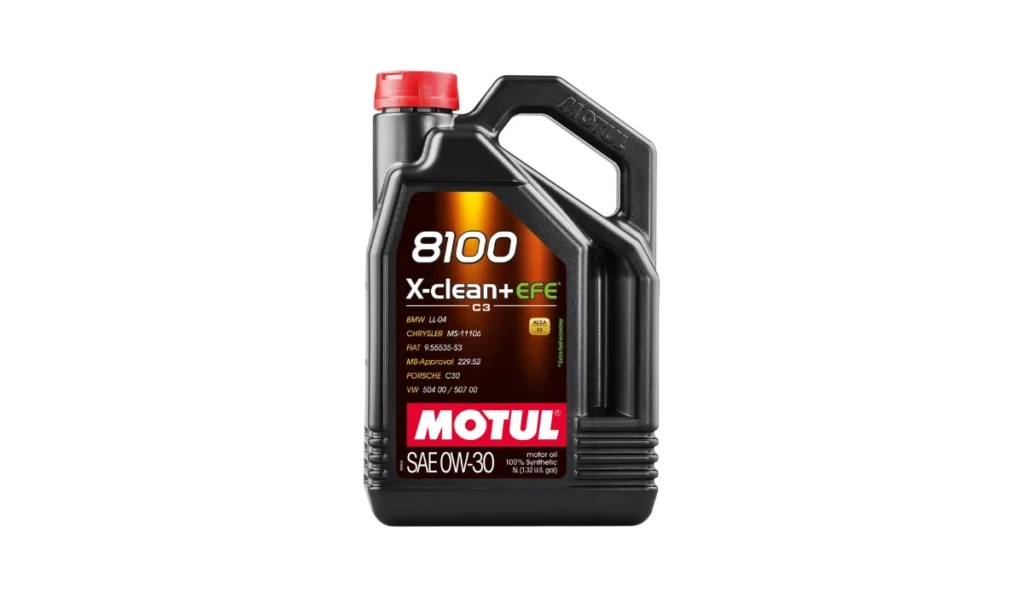
Fill engine oil — After reassembly, refill the engine with the recommended type and amount of oil. Use a funnel to avoid spills and ensure that the oil level is correct on the dipstick after filling.
Bleed the cooling system — Refill the cooling system with coolant and bleed it to remove any air pockets. Start the engine and let it reach operating temperature with the heater on full to help bleed the system. Check for leaks and top up the coolant as needed.
Final inspection — After filling the fluids, check for leaks, recheck the oil and coolant levels, and take the vehicle for a short test drive to ensure everything is functioning correctly.
Dispose of old fluids — Dispose of old oil and coolant responsibly according to your local regulations.
By following these steps and tips, you’ll ensure that your oil cooler replacement is done correctly, and your Sprinter 2500 is back on the road in top condition.
How Much Does It Cost to Replace the Oil Cooler on a Sprinter?
The cost to replace the oil cooler on a Sprinter can vary depending on several factors, including whether you choose to DIY or hire a professional. On average, if you’re doing the repair yourself, the parts alone can range from $100 to $400, depending on the quality and source.
Labor costs, if you opt for a professional repair, can add anywhere from $500 to $1200 to the total, depending on the shop rates and the complexity of the job. Keep in mind that using high-quality parts, like those available at eEuroparts.com, can prevent future issues and potentially save you money in the long run.
Investing in reliable parts ensures the job is done right the first time, reducing the risk of recurring problems and additional expenses.
Preventative Maintenance Tips
Taking a proactive approach to maintaining your Mercedes-Benz Sprinter 2500 can significantly reduce the likelihood of oil cooler leaks and the costly repairs that come with them. By incorporating regular inspections, using high-quality parts, and closely monitoring your engine’s performance, you can keep your vehicle running smoothly and avoid unexpected breakdowns.
Here are some key preventative maintenance tips to help you stay ahead of any potential oil cooler issues.
Regular Inspections
Regular inspections are essential to catching potential oil cooler issues before they become major problems. During routine maintenance, make it a habit to check the oil level and inspect the oil cooler for any signs of wear or leaks.
Ideally, you should inspect these components every time you change your oil or at least every 5,000 to 10,000 miles. Look for any visible signs of oil seepage under the vehicle between the transmission and engine, as well as any unusual drops in oil levels. Early detection can save you from more extensive and expensive repairs down the line.
Quality Parts
When it comes time to replace parts in your Sprinter 2500, especially components as critical as the oil cooler and its gasket set, always opt for high-quality replacement parts. Using cheap or inferior parts might save money upfront. Still, they are more likely to fail prematurely, leading to further issues.
High-quality parts are designed to meet or exceed the original manufacturer’s specifications, ensuring they can withstand the high temperatures and pressures they’ll face in your engine. Investing in quality components from trusted suppliers, like eEuroparts.com, can significantly extend the lifespan of your repairs and keep your Sprinter running reliably.
Monitoring Engine Performance
Staying alert to any changes in your engine’s performance can help you catch oil cooler issues early. Pay attention to how your engine behaves during your regular drives. Unusual symptoms like fluctuating oil pressure, rising engine temperatures, or new noises like ticking or knocking could all be signs that something is wrong with the engine’s lubrication system, including the oil cooler.
If you notice any of these symptoms, it’s important to investigate further or have your vehicle inspected by a professional as soon as possible. By being vigilant, you can address potential problems before they escalate, saving you time, money, and stress in the long run.
Trust eEuroparts.com for Premium Parts to Keep Your Sprinter 2500 Running Strong
When it comes to maintaining the performance and reliability of your Mercedes-Benz Sprinter 2500, the quality of the parts you choose makes all the difference. At eEuroparts.com, we’re committed to providing only the best for your vehicle.
Whether you’re dealing with an oil cooler leak or performing routine maintenance, our selection of top-tier OEM and aftermarket parts ensures that you’re getting components built to meet or exceed original specifications. What sets us apart? We offer not just parts but peace of mind — knowing that every item you purchase from us is designed to keep your Sprinter 2500 running smoothly for the long haul.
Our easy-to-navigate website, fast and reliable shipping, and knowledgeable customer support team make your shopping experience seamless and hassle-free. Don’t risk your investment with subpar parts — give your Sprinter the quality it deserves by choosing eEuroparts.com as your trusted source. Explore our inventory today and take the first step towards keeping your Sprinter in peak condition, mile after mile.